

Retirement Planning

From Accumulation to Activation: Rethinking Retirement Readiness

We’ve spent decades asking an important question about retirement: “How much do I need to save?”

And rightly so as financial readiness is a critical foundation for retirement planning.

But there is another question that often emerges later in the conversation: “What am I saving for and how do I want to live this next chapter?”

For many people, retirement is being financially prepared but the change in lifestyle is less often explored.

And that gap often becomes visible when the structure of work disappears and life suddenly feels less defined.

I’ve been reflecting on what it means to move from accumulation to activation, not just preparing for retirement but preparing to live it fully.

More on this in the next post.

From Saving to Spending: Powering Up the Next Phase of Retirement

From saving to spending. For many people entering retirement, this shift is harder than expected, not financially, but psychologically.

Because for decades, saving isn’t just something you do. It becomes part of who you are: responsible, disciplined and future-focused.

So when the moment comes to start using what you’ve built, something unexpected can show up: guilt.

The feeling that spending is somehow “undoing” all the good work.

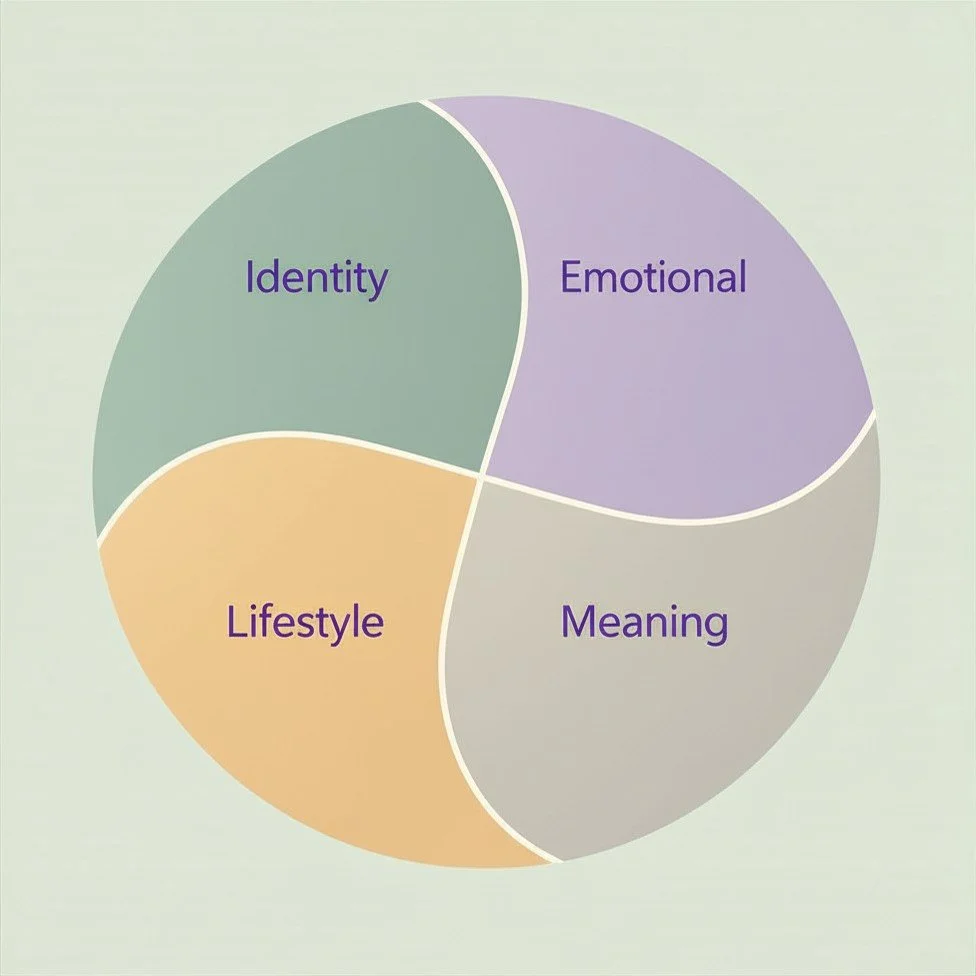
But this is not a financial problem, it's an identity transition.

Retirement asks something subtle but profound. Not just “Are you ready to retire?” but “Are you ready to live differently?”

One helpful reframe is this:

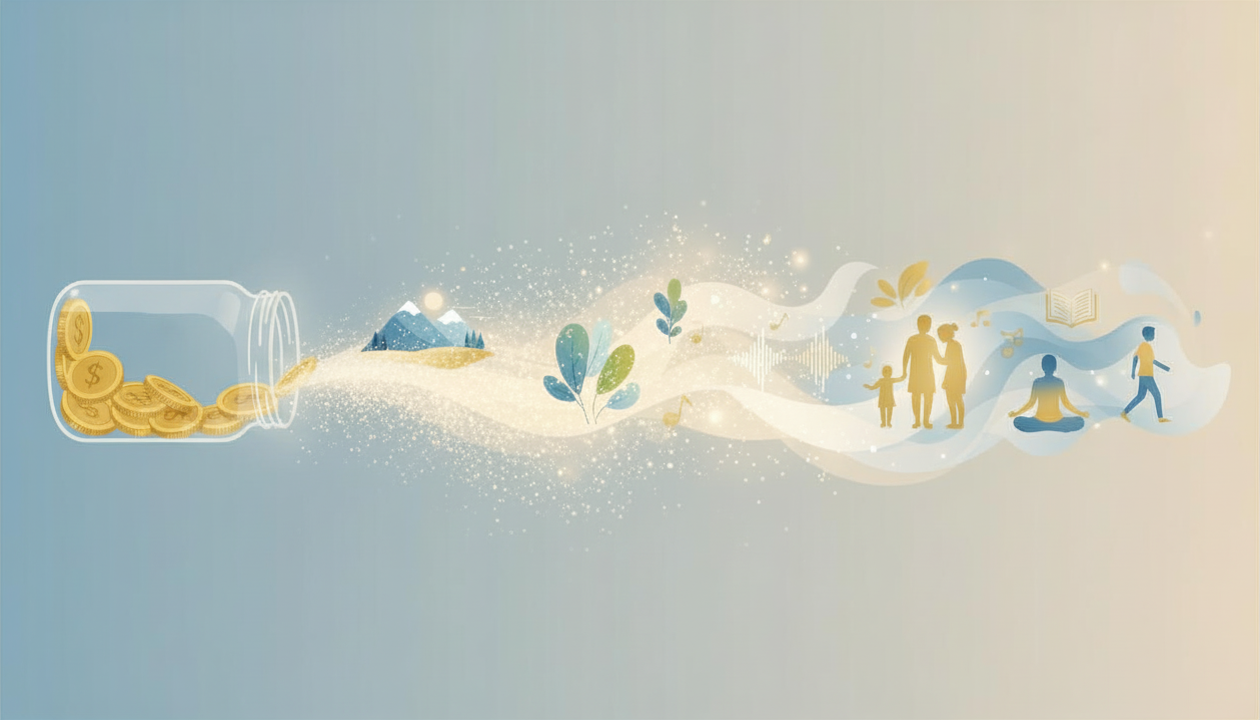
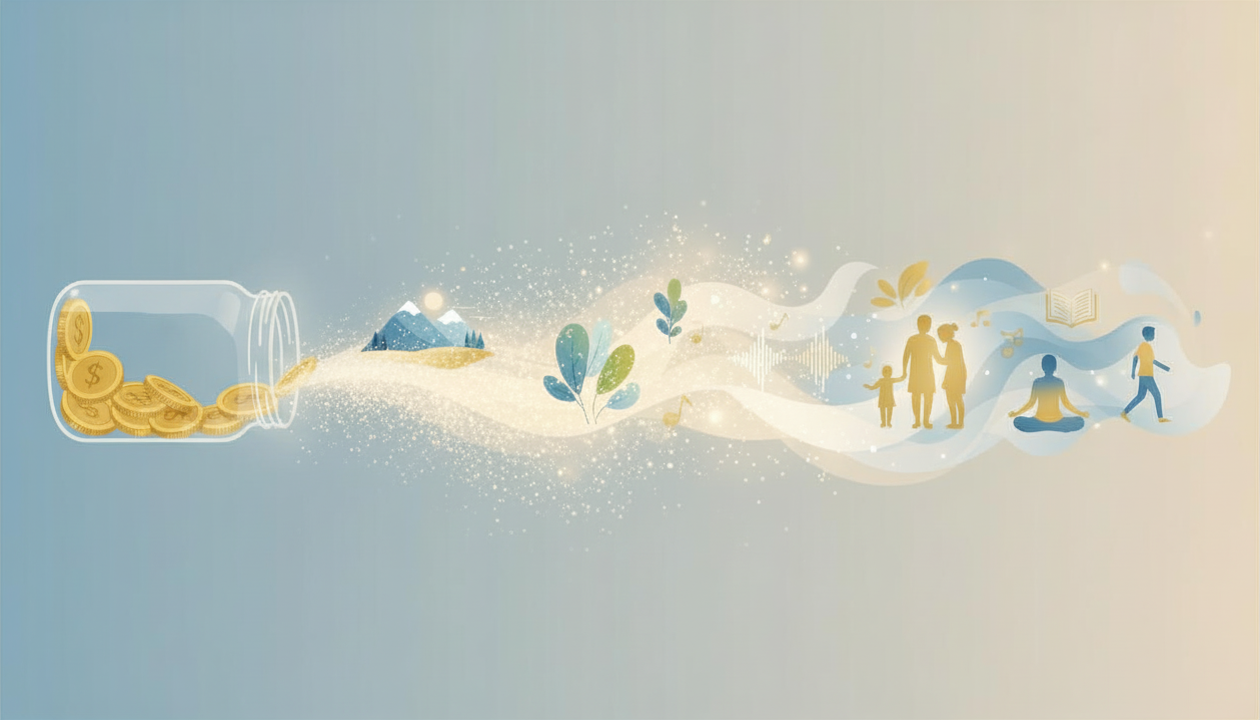
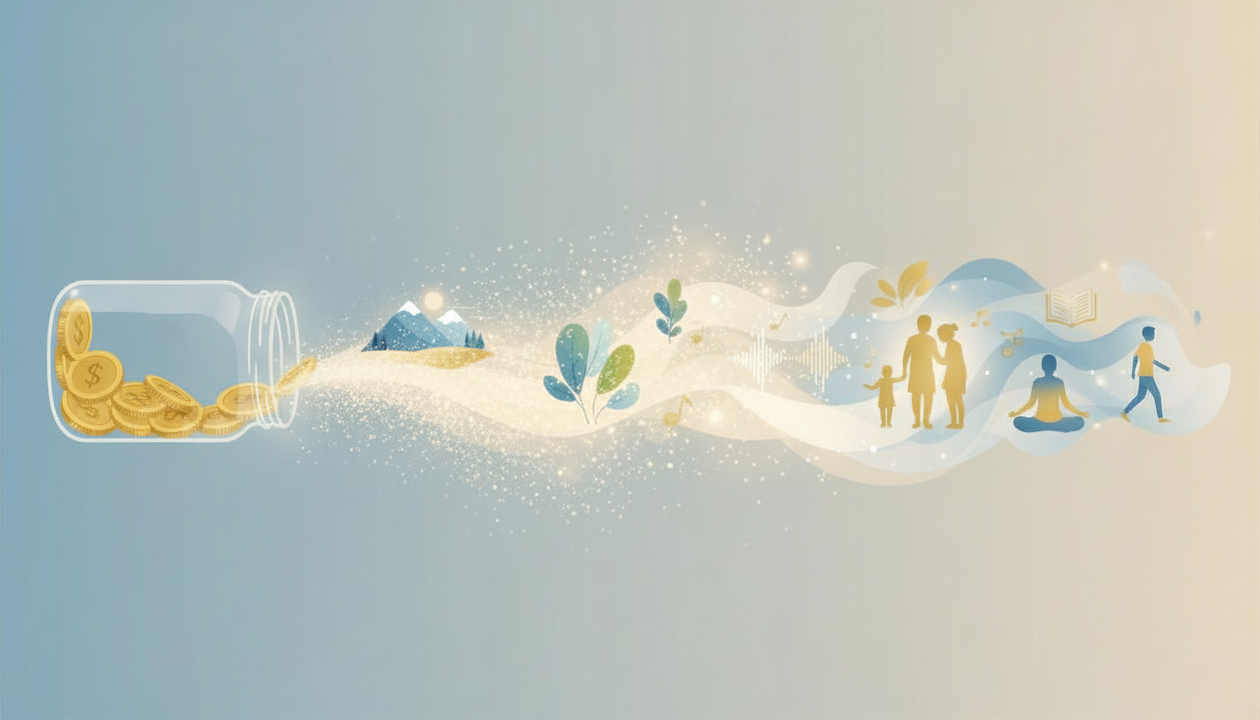
You are not spending down but rather you are activating a life you have already built.

Nothing is being lost. Your life is being lived.

This is where retirement becomes more than a milestone, it becomes a mindset shift.

This is the essence of Powering Up Your Retirement Lifestyle: shifting from preparation to activation, presence, and meaning.

From Saving to Spending: Powering Up the Next Phase of Retirement

Many individuals approach retirement believing the hardest part is building financial security. Yet, for some, the real challenge begins once that goal is achieved. A common and often unspoken experience is the feeling of guilt when shifting from saving to spending.

From a behavioural perspective, this makes sense. For decades, saving money is reinforced as a virtue—something responsible, disciplined, and even morally “right.” Over time, this becomes more than a habit; it becomes part of one’s identity. Saving can represent safety, control, and future readiness. When retirement arrives and that pattern must reverse, it can feel like breaking a deeply ingrained rule.

This is not a financial issue—it’s a psychological transition.

At its core, this guilt often stems from a misalignment between past conditioning and present reality. The mindset that once served so well is now being asked to evolve. Instead of accumulation, the focus shifts to utilization. Instead of preparing for life, it becomes about living it.

One helpful reframe is to view retirement not as “spending down,” but as “activating” what has been carefully built. These resources are not being lost, they are being used for their intended purpose. This shift can help move the narrative from scarcity toward fulfillment.

It is also important to recognize that identity is in transition. Letting go of the “saver” role does not mean abandoning responsibility; it means expanding into a new phase, one that includes enjoyment, contribution, and personal meaning.

Ultimately, the goal is not just financial readiness, but psychological readiness: the ability to trust that it is both safe and appropriate to fully step into the life one has worked so hard to create.

This is the essence of Powering Up Your Retirement Lifestyle, shifting from preparation to activation, presence, and purpose.

This perspective reflects the Redworks Coaching approach to retirement as a transition of identity and mindset, informed by behavioural psychology, behavioural economics, and transition theory.

Staying Connected in Retirement - Tip #3: Create Small Rituals

Without the structure of work, days can blur together, and life can start to feel repetitive. This lack of routine may slowly chip away at joy and purpose. Loneliness can appear subtly through low energy, blending days, or avoiding conversations.

Tip #3 - Creating small rituals — a daily walk, a weekly coffee date, or joining a hobby club — brings structure and meaning back to your life. Even simple routines provide a sense of purpose and help you stay engaged.

Question: What’s one small ritual that gives your day structure?

Staying Connected in Retirement - Tip #2: Reach Out to Others

Redefining yourself in retirement often means adjusting to new routines. Without work and daily interactions, life can feel smaller. One of the first signs of loneliness is withdrawing from social circles, avoiding events, or no longer calling old friends. Staying connected is essential for living with purpose and health.

Tip #2 - A simple step is to reach out to one person each week — a neighbour, former colleague, or friend. Small, regular connections make a big difference.

Question: What helps you feel most connected during your week?


Rediscover Yourself in Retirement – Tip #10: Design Your Days - Create a Vision for Your Ideal Life

What kind of life do you want to live after work? Purpose, connection, and vitality don’t happen by accident — they grow from intentional planning and self-reflection.

A clear vision for retirement is important — but so is adaptability.

Tip #10: Create a flexible, evolving plan
Instead of rigid expectations, aim for clarity and flexibility. Life unfolds in unexpected ways — your retirement plan should, too.

Think of it as a living document you revisit, revise, and renew.

Let’s start that process together.

My Power UP Your Retirement Lifestyle Program provides tools, coaching and support to help you move from worry to readiness and create a purposeful, happy life after work.

Special pricing available to get you started.

https://www.powerupyourretirement.com/power-up-insider

Rediscover Yourself in Retirement – Tip #9: Prioritize Wellness - Your Health is Your Retirement Foundation

A purpose-filled retirement begins long before your final day of work. Thinking ahead about what brings you joy and meaning can make all the difference in how you transition.

Retirement isn’t just about time freedom — it’s about feeling your best to enjoy it.

Tip #9: Invest in your health — body and mind
Begin building habits now that support your vitality in retirement:

  • Move your body

  • Nurture your mindset

  • Prioritize rest and recovery

When you feel strong and centered, you’re more equipped to create a life you love after work.

Want support planning your well-being journey?

Power UP Your Retirement can help — start today.

Special pricing available to get you started.

https://www.powerupyourretirement.com/power-up-insider

Rediscover Yourself in Retirement – Tip #8: Redefine Who You Are (Beyond Work)

Retirement is a major life change — and it comes with emotional twists and turns. When you prepare psychologically, you’ll step into your next chapter with more clarity and confidence.

Many of us tie our identity to our job title. But who are you without the work role?

Tip #8: Explore your identity beyond your career
Ask yourself:

  • What strengths, values, or interests define me?

  • How can I express these in new ways?

This is your chance to redefine success on your terms — and create a deeply fulfilling retirement.

Let’s explore your next chapter with intention.

Join the Power UP Your Retirement Lifestyle Program — now with special pricing.

https://www.powerupyourretirement.com/power-up-insider

Rediscover Yourself in Retirement – Tip #7: Prioritize Social Connection

Do you want more than just a busy retirement? If you’re looking for joy, identity, and purpose, it’s time to start planning for what truly matters — beyond your finances.

You’ve likely built deep work relationships over the years — but retirement can change that.

Tip #7: Plan how you’ll stay connected
Strong social ties are one of the biggest predictors of retirement happiness.

  • Will you volunteer? Join groups? Reconnect with friends?

  • Do you have a support system in place?

Purposeful connection brings energy, belonging, and resilience.

Let’s map out your post-career social plan — and ensure your retirement isn’t lonely but thriving.

Discover how with Power UP Your Retirement Lifestyle Program.

Special pricing available to get you started.

https://www.powerupyourretirement.com/power-up-insider

Rediscover Yourself in Retirement – Tip #6: Map Out Your Ideal Life

Retirement isn’t just a financial milestone — it’s a personal transformation. To find meaning and fulfillment in this next chapter, emotional and mental preparation are just as important as saving money.

What does a joyful, purpose-filled retirement look like for you?

Tip #6: Reflect regularly in a journal
Start writing down:

  • Your hopes and concerns

  • Activities that light you up

  • Thoughts on identity, routines, and goals

Journaling is a powerful tool for clarity — and helps you make decisions that align with your true desires.

You’re not alone in this journey. Let’s design your next chapter with intention.

Find out how with the Power UP Your Retirement Lifestyle Program.
Special pricing available now.

https://www.powerupyourretirement.com/power-up-insider

Member Login
Welcome, (First Name)!

Forgot? Show
Log In
Enter Member Area
My Profile Not a member? Sign up. Log Out